Introduction
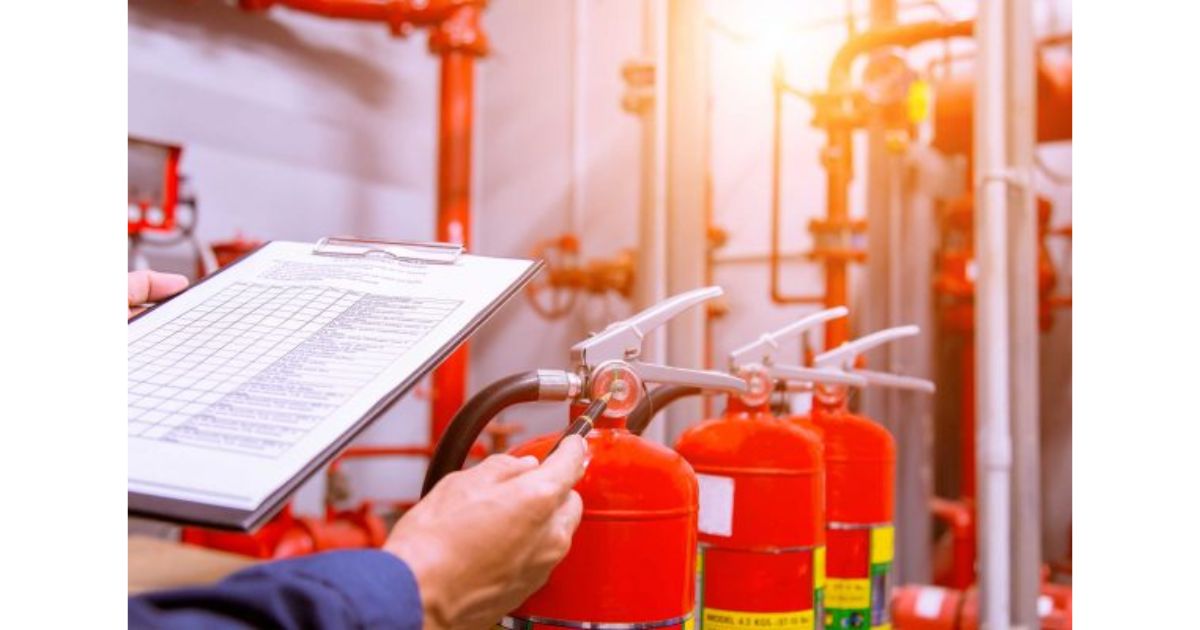
Modern industrial facilities are among the most complex environments when it comes to fire safety. Factories, warehouses, manufacturing plants, chemical processing facilities, logistics centers, and production workshops often contain flammable materials, heavy machinery, electrical equipment, high-temperature processes, and valuable inventory. These conditions significantly increase the risk of fire incidents, making an effective fire protection system essential. However, installing fire protection equipment alone is not enough. Regular Bảo trì hệ thống PCCC is necessary to ensure every component remains fully operational.
Bảo trì hệ thống PCCC involves the systematic inspection, testing, servicing, cleaning, repair, and replacement of fire protection equipment. A well-planned maintenance strategy helps industrial facilities reduce fire risks, improve emergency preparedness, extend equipment lifespan, comply with safety regulations, and protect employees, assets, and business operations.
Unlike office buildings or residential properties, industrial facilities face unique fire safety challenges due to harsh operating conditions and continuous production activities. Therefore, maintenance strategies must be carefully designed to meet the specific requirements of industrial environments.
This article explores effective Bảo trì hệ thống PCCC strategies for modern industrial facilities and explains how organizations can develop comprehensive maintenance programs that improve long-term fire protection.
Understanding Fire Risks in Industrial Facilities
Industrial facilities often contain multiple fire hazards operating simultaneously.
Common fire risks include:
- Flammable liquids
- Combustible dust
- Electrical equipment
- High-temperature machinery
- Welding operations
- Chemical storage
- Gas pipelines
- Heavy mechanical equipment
- Packaging materials
- Fuel storage areas
Because these hazards exist throughout the facility, every fire protection system must remain in excellent working condition at all times.
The Role of Bảo trì hệ thống PCCC
Fire protection systems are designed to perform several critical functions during an emergency.
These include:
- Detecting fires quickly
- Activating alarms
- Suppressing flames
- Controlling smoke
- Supporting evacuation
- Assisting emergency responders
- Protecting valuable equipment
Routine Bảo trì hệ thống PCCC ensures these systems continue performing effectively despite demanding industrial conditions.
Develop a Preventive Maintenance Program
Preventive maintenance should form the foundation of every industrial fire safety strategy.
Rather than waiting for equipment to fail, maintenance teams should inspect and service systems according to a planned schedule.
A preventive maintenance program typically includes:
- Daily visual inspections
- Weekly equipment checks
- Monthly functional testing
- Quarterly system inspections
- Semi-annual servicing
- Annual comprehensive testing
Routine maintenance greatly reduces unexpected equipment failures.
Conduct Regular Fire Risk Assessments
Maintenance should always begin with understanding the facility’s fire risks.
Industrial environments change frequently as production processes, equipment, and storage layouts evolve.
Risk assessments should identify:
- High-risk production areas
- Chemical storage locations
- Electrical hazards
- Machinery generating heat
- Dust-producing operations
- Areas requiring specialized fire protection
Maintenance schedules can then prioritize equipment protecting the highest-risk locations.
Maintain Fire Alarm Systems
Fire alarm systems provide the earliest warning during emergencies.
Industrial alarm maintenance includes inspecting:
- Control panels
- Smoke detectors Bảo trì hệ thống PCCC
- Heat detectors
- Manual call points
- Audible alarms
- Visual warning devices
- Communication systems
- Backup batteries
Technicians should verify that alarms activate correctly throughout noisy production environments where audible signals alone may not be sufficient.
Inspect Smoke and Heat Detectors
Industrial facilities often expose detectors to dust, humidity, vibration, and airborne contaminants.
Routine maintenance includes:
- Cleaning detector sensors
- Sensitivity testing
- Wiring inspections
- Functional testing
- Replacing damaged units
Proper detector maintenance improves early fire detection despite challenging environmental conditions.
Maintain Automatic Sprinkler Systems
Automatic sprinkler systems are one of the most effective methods of limiting industrial fire damage.
Routine maintenance includes inspecting:
- Sprinkler heads
- Water supply lines
- Control valves
- Pressure gauges
- Water storage tanks
- Drain systems
- Flow switches
Technicians should also ensure stored materials do not obstruct sprinkler discharge patterns.
Keep Fire Pumps Operating Efficiently
Fire pumps provide critical water pressure for suppression systems.
Maintenance should include:
- Automatic start testing
- Pressure measurements
- Motor inspections
- Lubrication
- Fuel checks for diesel pumps
- Electrical inspections
- Cooling system verification
Reliable pumps ensure sprinklers and hydrants operate effectively during emergencies.
Inspect Fire Hydrant Systems
Industrial sites often rely on both internal and external hydrants.
Routine maintenance should verify:
- Water pressure
- Valve operation
- Hose connections
- Physical condition
- Accessibility
- Leak detection
Hydrants blocked by equipment, vehicles, or storage materials should be cleared immediately.
Maintain Portable Fire Extinguishers
Fire extinguishers provide immediate response for small fires before they spread.
Routine servicing includes:
- Pressure verification
- Seal inspection
- Hose examination
- Weight checks
- Physical condition assessment
- Accessibility confirmation
- Recharging or replacement when necessary
Different production areas may require different extinguisher types depending on fire hazards.
Inspect Emergency Lighting and Exit Signs
Industrial facilities may experience power failures during emergencies.
Emergency lighting helps workers evacuate safely.
Maintenance includes:
- Battery testing
- Illumination checks
- Charging system inspection
- Cleaning fixtures
- Replacing damaged units
Exit signs should remain clearly visible despite dust, machinery, or changing warehouse layouts.
Focus on High-Risk Areas
Some industrial locations require more frequent maintenance than others.
Examples include:
- Boiler rooms
- Electrical control rooms
- Chemical storage facilities
- Fuel storage areas
- Paint shops
- Welding stations
- Manufacturing lines
- Generator rooms
Additional inspections reduce the likelihood of equipment failure in these critical areas.
Address Environmental Challenges
Industrial environments expose fire protection equipment to conditions that accelerate wear.
These include:
- Dust
- Moisture
- Corrosive chemicals
- High temperatures
- Heavy vibration
- Mechanical impacts
Maintenance schedules should account for these conditions by increasing inspection frequency where necessary.
Train Employees
Maintenance professionals cannot observe every potential problem between inspections.
Employees should receive training to recognize:
- Damaged fire extinguishers
- Alarm panel warning lights
- Obstructed sprinkler heads
- Blocked emergency exits
- Leaking pipes
- Missing safety equipment
Prompt reporting helps maintenance teams resolve issues quickly.
Maintain Accurate Documentation
Every maintenance activity should be documented carefully.
Records should include:
- Inspection dates
- Equipment tested
- Test results
- Repairs completed
- Replacement parts installed
- Technician observations
- Future recommendations
Accurate documentation supports compliance and improves long-term maintenance planning.
Integrate Maintenance with Emergency Planning
Maintenance should complement the facility’s emergency preparedness program.
Organizations should combine Bảo trì hệ thống PCCC with:
- Fire drills
- Emergency response exercises
- Evacuation planning
- Safety meetings
- Hazard assessments
- Incident reviews
This integrated approach strengthens the overall fire safety program.
Utilize Modern Maintenance Technology
Technology is transforming industrial fire protection maintenance.
Modern solutions include:
- Smart fire alarm systems
- Remote equipment monitoring
- Predictive maintenance software
- Wireless sensors
- Cloud-based maintenance records
- Automated diagnostics
These technologies help identify equipment problems before failures occur.
Common Maintenance Challenges
Industrial facilities often face several maintenance obstacles.
Continuous Operations
Facilities operating around the clock must schedule maintenance without disrupting production.
Large Equipment Networks
Extensive fire protection systems require detailed planning and coordination.
Aging Infrastructure
Older facilities may contain outdated equipment requiring more frequent servicing.
Harsh Working Conditions
Dust, vibration, and chemicals increase maintenance requirements.
Recognizing these challenges allows organizations to develop more effective maintenance strategies.
Best Practices for Long-Term Success
Successful industrial maintenance programs typically include:
- Preventive rather than reactive maintenance
- Qualified maintenance technicians
- Detailed inspection schedules
- Comprehensive documentation
- Continuous employee training
- Regular equipment upgrades
- Frequent performance reviews
These best practices help ensure long-term fire protection reliability.
Preparing for Future Industrial Growth
As industrial facilities expand, fire protection systems must also evolve.
Organizations should plan for:
- Additional production areas
- New machinery
- Increased storage capacity
- Facility renovations
- Updated safety regulations
- Advanced fire detection technology
Long-term planning ensures maintenance programs continue supporting future operational needs.
Conclusion
Modern industrial facilities operate in challenging environments where fire protection systems play a vital role in safeguarding people, equipment, and business operations. Effective Bảo trì hệ thống PCCC strategies ensure that fire alarms, sprinklers, fire pumps, extinguishers, emergency lighting, and other safety systems remain fully operational despite demanding conditions.
By implementing preventive maintenance programs, conducting regular inspections, focusing on high-risk areas, training employees, maintaining accurate records, and adopting modern technologies, industrial organizations can significantly reduce fire risks and improve emergency preparedness. Investing in comprehensive Bảo trì hệ thống PCCC is not simply a maintenance requirement—it is a long-term commitment to safety, operational continuity, regulatory compliance, and the protection of valuable industrial assets.